Common Interior Design Mistakes That End Up Costing You More
In the real world, budgets matter, but where you choose to save can be the difference between a smart investment and an expensive regret. Many of the most common “budget-friendly” decisions end up costing far more over time, whether through replacement, repairs, or missed opportunities to create a home with lasting value and personality. As designers, part of our job is helping clients see which choices will truly stand the test of time and avoid costly interior design mistakes. These are the places we never recommend cutting corners.
Choosing Inexpensive Materials That Don’t Last
One of the most common mistakes is choosing the least expensive materials upfront. Budget flooring that scratches easily, bargain cabinetry with weak hinges and glides, or inexpensive upholstery fabrics that pill or fade may look great on installation day, but they rarely stand the test of time.
Within a few years, and sometimes just months, these materials can crack, warp, stain, or break, forcing you to replace them far sooner than expected. Investing in durable, well-made materials from the beginning not only reduces replacement costs over time it also preserves the integrity and longevity of the design.
Hiring The Cheapest Contractor
Clients are often tempted to hire the contractor with the lowest bid. Unfortunately, the cheapest pricing frequently reflects a lack of experience, poor project and time management, or subpar workmanship. All of these can lead to mistakes that require costly fixes, delays that disrupt timelines, and quality issues that affect the finished space.
We know that a skilled, reliable contractor is an investment — not an expense. Paying more for expertise upfront usually results in fewer surprises, smoother installations, and a final result that aligns with your vision.
Relying On Store-Based Design Services
You may think that you’re saving money by using “free” or low-cost design services offered through furniture or home improvement stores. While convenient, these services often rely on templates, limited product lines, and one-size-fits-all solutions. The result? Your home may look generic, lack your personality, and not truly reflect your lifestyle.
You may realize later that your space feels flat or disconnected, and end up spending more money trying to rework or layer in character — something that could have been created from the start with a designer.
Similarly, trusting AI to design your home is also full of pitfalls that leave a space feeling impersonal at best.
Skipping The Planning Phase
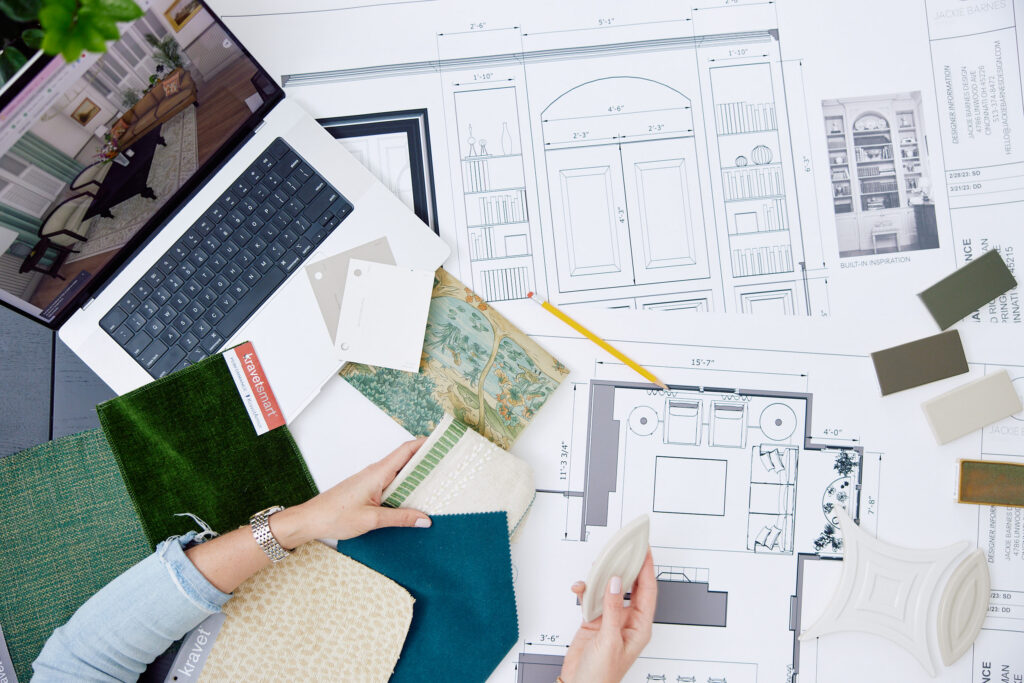
Another costly mistake is rushing into purchases without a fully developed plan. Buying furniture before finalizing layouts, choosing finishes without considering lighting, or committing to millwork before understanding how the space functions often leads to mismatched elements or items that simply don’t work together. Fixing these issues typically means returning products (if possible), selling them at a loss, or buying replacements.
Following Trends Instead Of Timeless Designs
Trend-driven choices can be fun, but when used excessively, they date a space quickly. When you invest heavily in ultra-trendy finishes, you may feel the need to renovate again in a few years. Balancing current trends with timeless foundations helps you create interiors that age gracefully and hold long-term value.
Conclusion…
Ultimately, good design isn’t about spending more — it’s about spending wisely. We enjoy educating clients on these long-term costs and helping them see that thoughtful planning, quality materials, and professional expertise aren’t luxuries. They’re smart investments that save money, time, and frustration in the years to come.
What to Read Next:
 How to Know a Trend from a Fad and Why It Matters for Your Home
 Why Wallpaper is Making a Major Comeback and How to Choose the Right One for You
 What Does Your Enneagram Type Say About Your Interior Design Style?
 The Marathon Method: A Cincinnati Interior Designer’s Five Tips for Pacing Your Next Renovation