Slow Living Starts at Home: Design Decisions that Reduce Daily Friction
Slow living isn’t about minimalism—it’s about living with intention. Nowhere does that intention matter more than at home. Our spaces shape our moods, habits, and nervous system every day.
Design choices play a powerful role in this process! Thoughtful design choices can soften daily stress, make routines feel lighter, and allow more connection through moments with loved ones. Here are our tips on design choices to consider that help translate slow living into your spaces.
Avoiding Friction: Creating Functionality
Friction shows up when storage doesn’t match real life, when furniture blocks movement, or when everyday items don’t have a place to land.
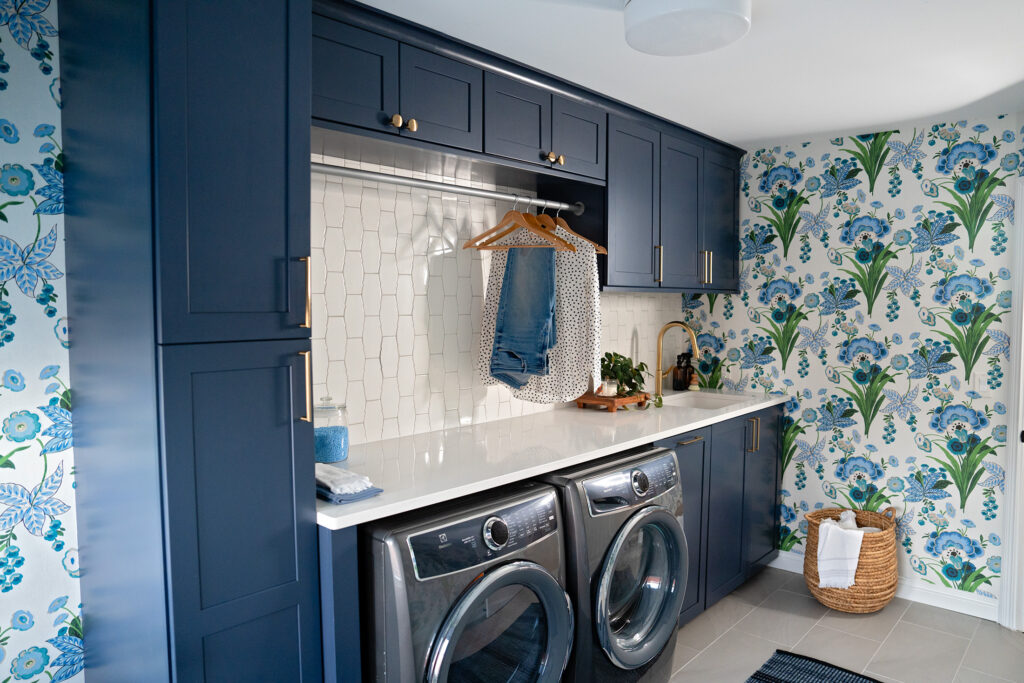
Start by observing where issues appear:
- Where do piles naturally form?
- Where do you feel crowded?
- Which tasks feel harder than they should?
Design solutions for these pain points can include:
- Drop zones near entrances. This allows a clear landing point for keys, bags, and shoes.
- Closet storage to visually quiet busy areas
- Clear pathways that allow you to move without obstacles in your way
Layering Lighting: Supporting your Nervous System
You would be surprised with how important lighting is to your nervous system! It is often one of the most overlooked contributors to stress. Harsh overhead lighting can keep the body in a subtle state of alert, while layering lighting creates a sense of calm. For example, warm tones for relaxation (parasympathetic state) and cool tones for focus (sympathetic state).
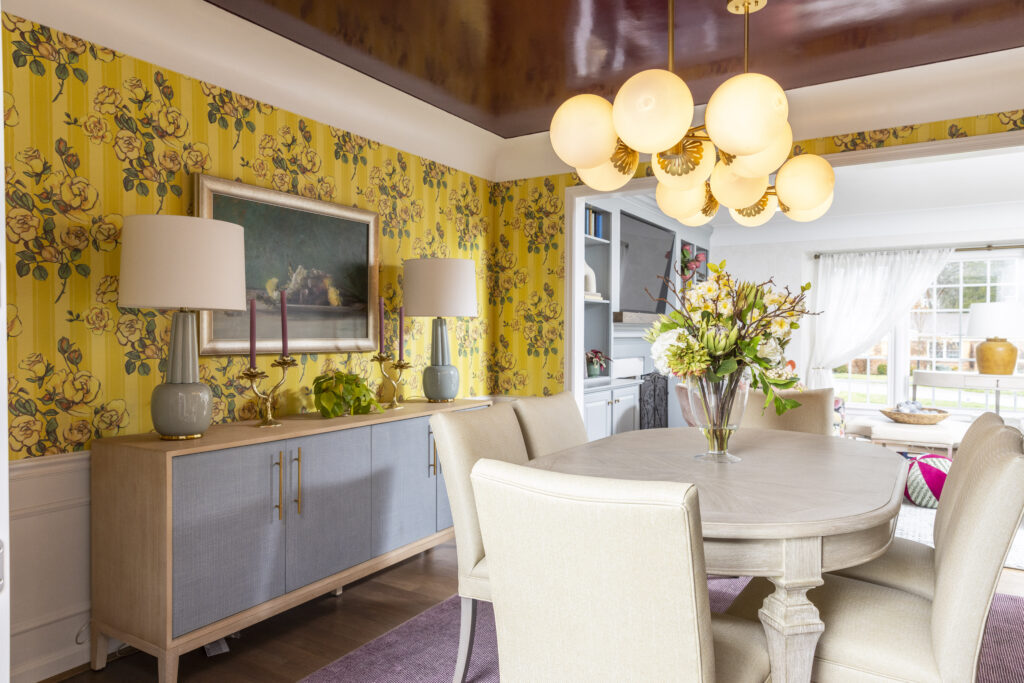
A suggested lighting plan can include:
- Ambient lighting for overall softness. This can include ceiling fixtures, sconces, etc.
- Task Lighting for function. Reading lamps, under-cabinet lighting, etc.
- Accent lighting for warmth and depth. This can include table maps, candles, picture lights, etc.
Choose warm bulbs and place light sources at different heights. This mimics natural light, and allows the day to shift- brighter in the morning, softer in the evening.
Create Conversation Zones, Not Just Seating
Many living rooms today are arranged around screens rather than the people who live in them. A slow home shifts that focus, encouraging connection by creating intentional zones that invite conversation, rest, and togetherness. When a space is designed to support human interaction, it naturally feels warmer and more alive.

Tips for creating more inviting layouts:
- Arrange seating so people face one another, not just the TV
- Use rugs to define gathering areas and anchor conversation zones
- Incorporate varied seating—chairs, ottomans, benches—to make the space feel flexible and welcoming
- Layer in texture and color with pillows, softly moving curtains, and cozy blankets
Textures do more than add visual interest; they soften a room emotionally, helping it feel comforting, grounded, and genuinely lived in.
A Home that Lets You Exhale
Slow living starts at home, because home is where the body learns whether it’s safe to relax. When design reduces friction, supports the senses, and honors how you actually live, your space becomes more than beautiful—it becomes restorative.