Adding Personality and Character to a Flipped Home
Flipped homes can be incredibly appealing. They often offer updated kitchens, fresh paint, new flooring, and a move-in-ready experience that eliminates the stress of a major renovation. But while these homes typically check all the boxes on a listing sheet, they can sometimes feel surprisingly generic once you move in.
This was exactly the challenge our clients faced.
Their Cincinnati home had recently been renovated by property flippers and provided a solid foundation. The finishes were new, the layout worked, and many of the major updates had already been completed. Yet something was missing. The house didn’t feel like their home. It lacked the warmth, character, and personality that make a space feel truly lived in.
Why Flipped Homes Often Feel Generic
Flipped homes are designed to appeal to the widest audience possible. To achieve that, builders and investors often select safe, neutral finishes that won’t offend potential buyers.
The result is a home that may look beautiful but doesn’t necessarily reflect the people who live there.
Our goal was not to start over. Instead, we focused on enhancing what was already there and thoughtfully layering in details that would create warmth, functionality, and a stronger sense of identity.
Creating Character Through Layering
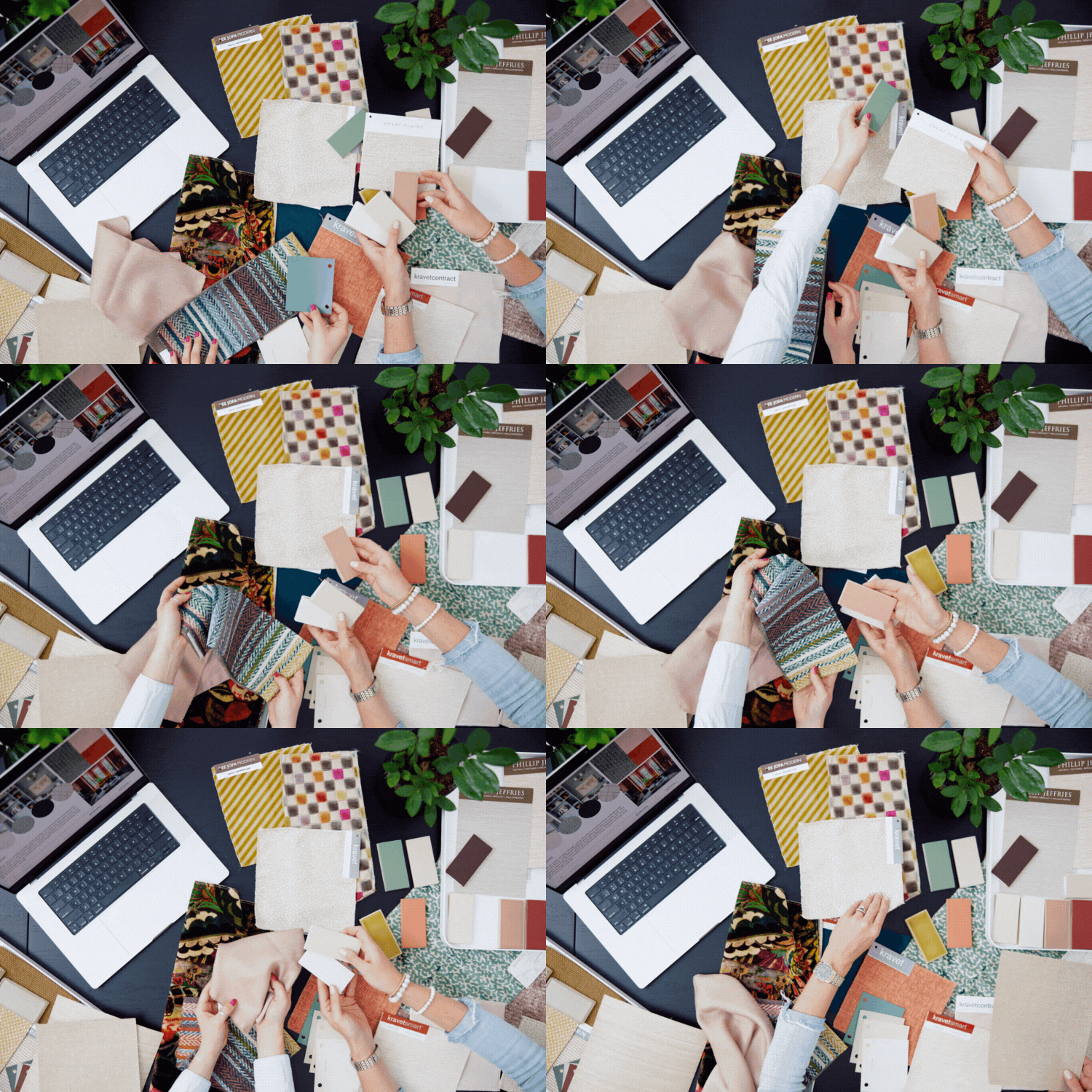
Throughout the home, we introduced a richer palette of wood tones, textures, and carefully selected furnishings to create depth and visual interest. Blue became a recurring thread throughout the design, helping establish continuity while complementing the home’s existing architecture.
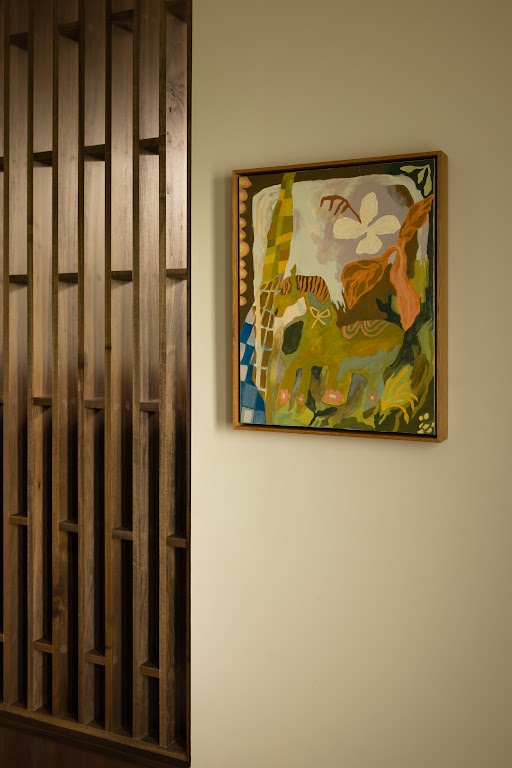
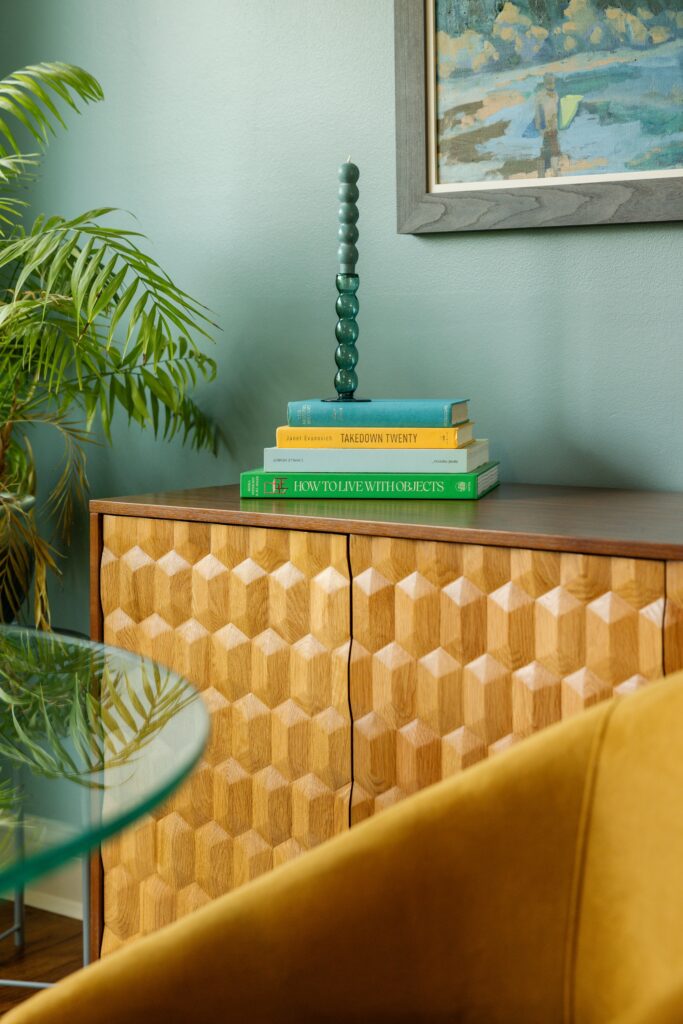
We also evaluated the home’s lighting layout, trim details, and several wall conditions. Small architectural adjustments often have an outsized impact, helping a home feel more intentional and custom rather than builder-grade.
The result was a space that felt cohesive, welcoming, and uniquely personal without requiring a complete renovation.
Rethinking the Dining Room
One of the biggest opportunities was the dining room.
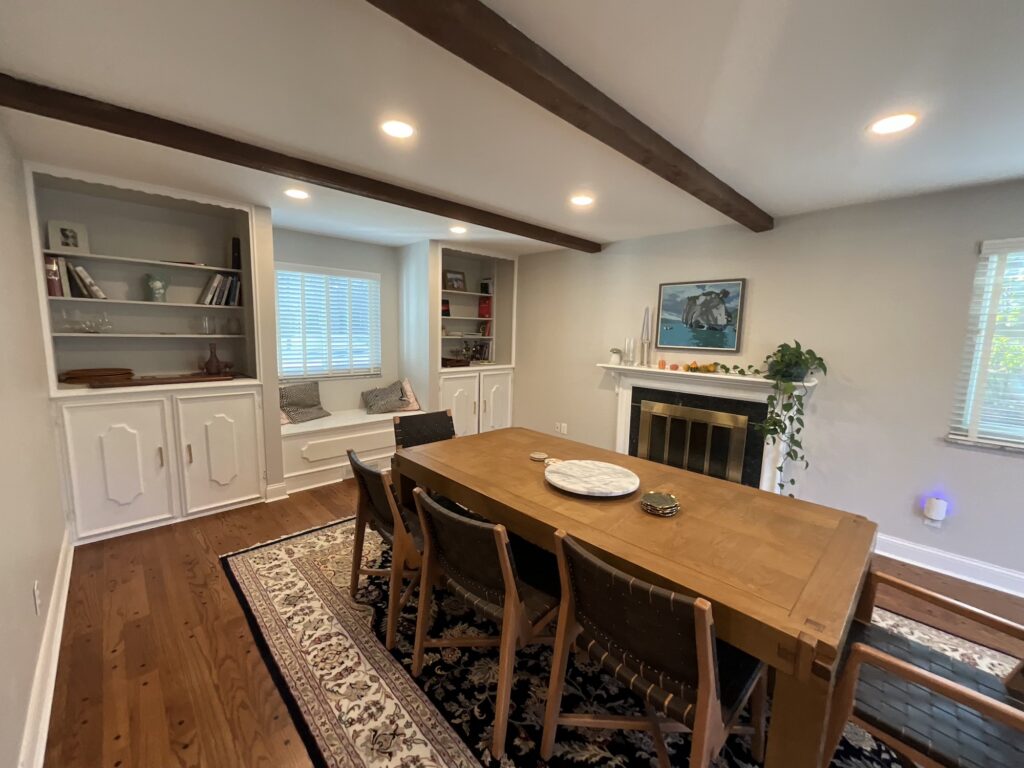
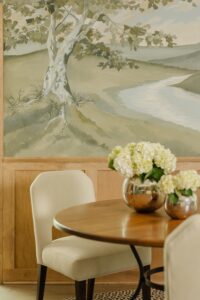
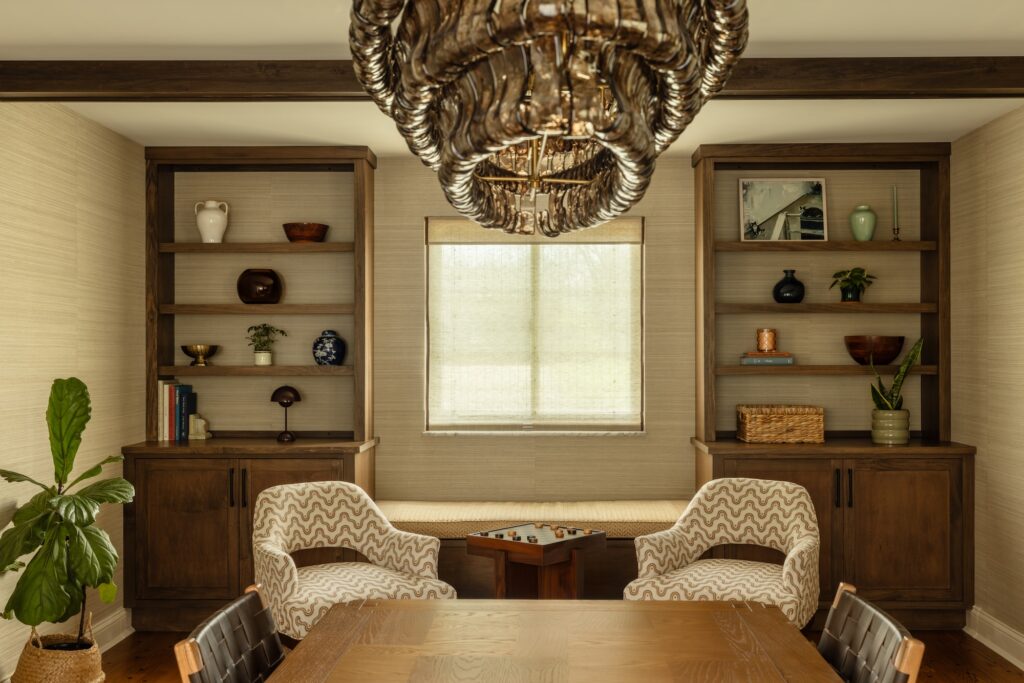
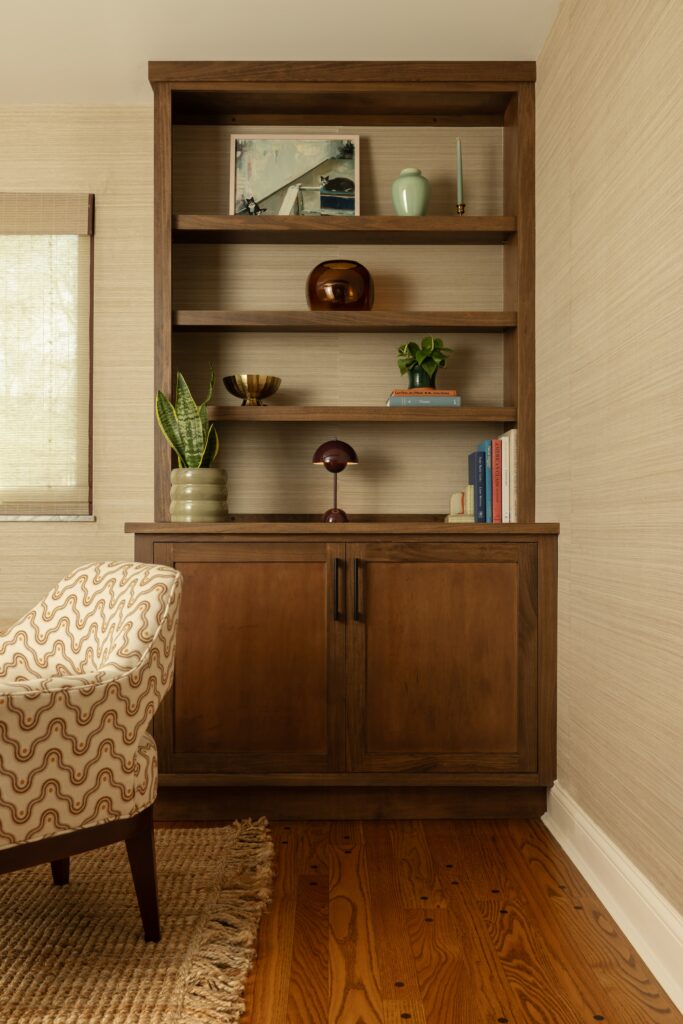
The existing space featured built-ins, ceiling beams, and furnishings our clients loved and wanted to keep. However, the room felt disconnected from the rest of the home and lacked the functionality they needed.
We evaluated ways to improve the built-ins, addressed grasscloth walls that had been painted over, and explored removing an underutilized wet bar to create a more purposeful layout.
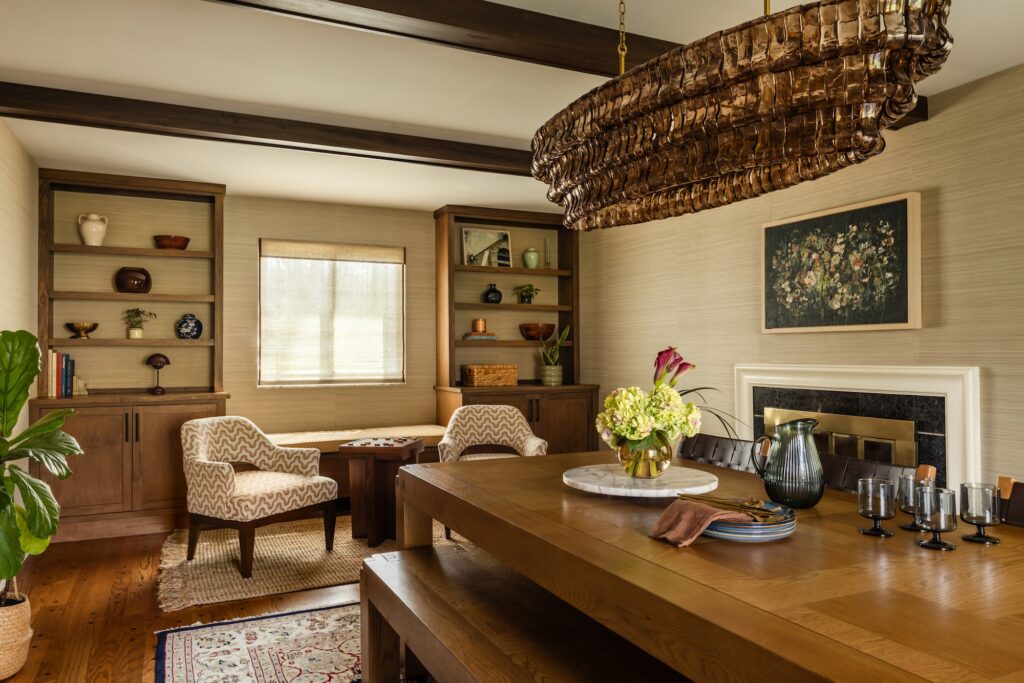
By preserving the architectural elements that already gave the room character while refining its functionality, the dining room became a more intentional gathering space that felt connected to the rest of the home.
Making the Laundry Room Work Harder
The laundry room presented a different challenge.
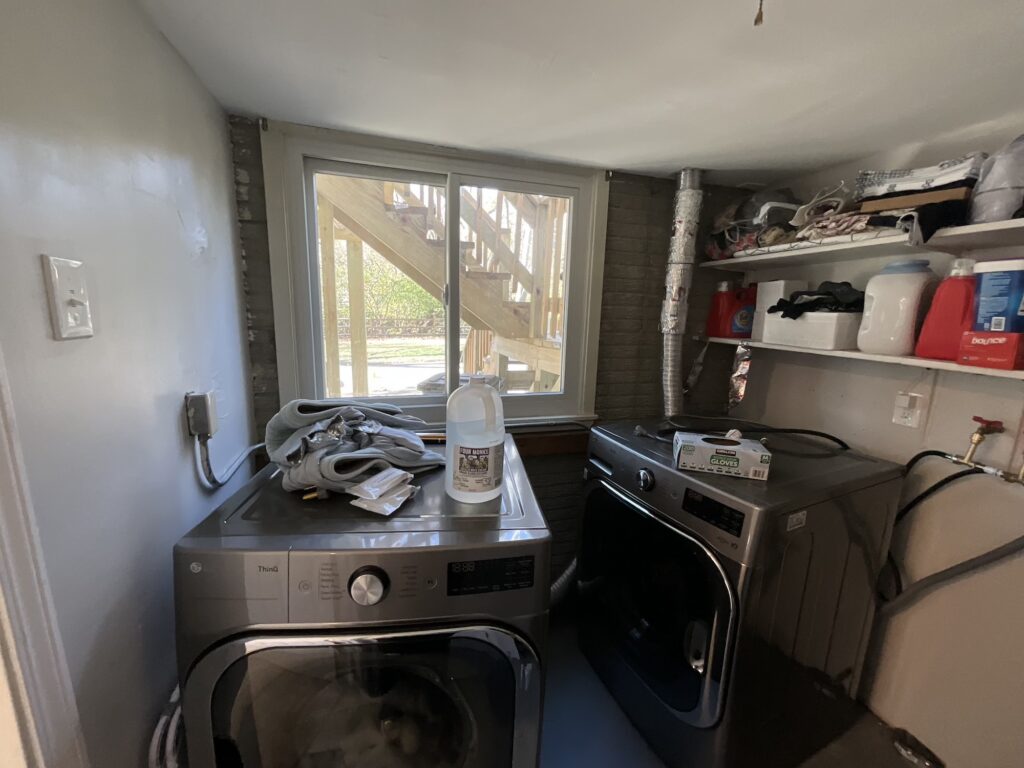
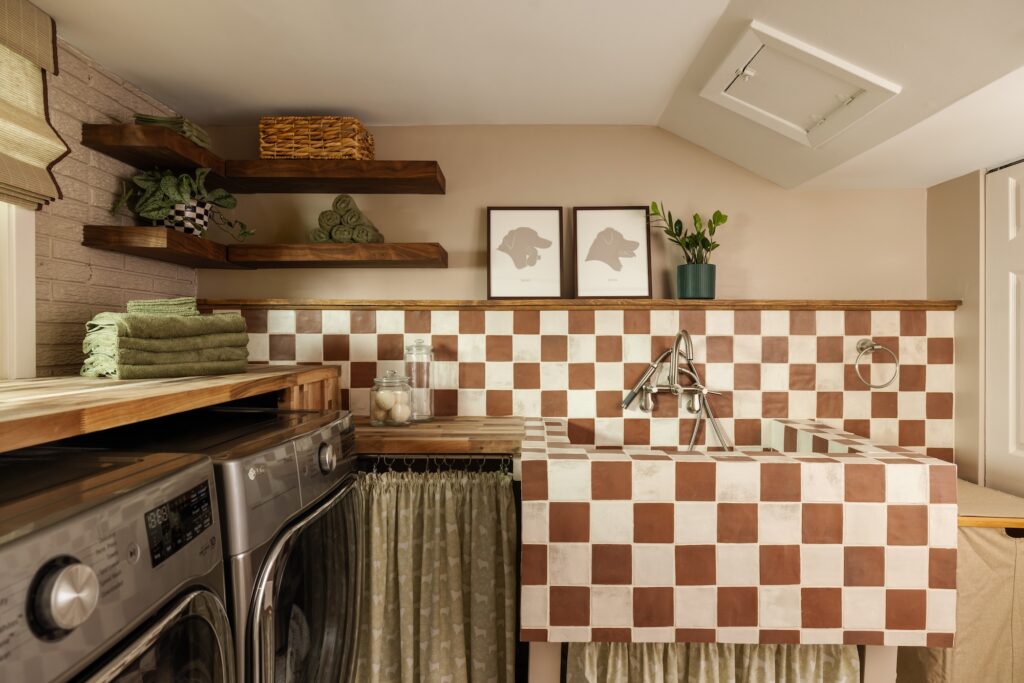
Our clients wanted the space to support their everyday routines, including caring for their dogs. We explored options to reconfigure the room into a combined laundry and bath space that included a dog washing sink, dedicated folding surfaces, additional hanging storage, and improved overall functionality.
Rather than simply housing appliances, the laundry room became a hardworking space designed around the realities of daily life.
A Powder Room Full of Personality
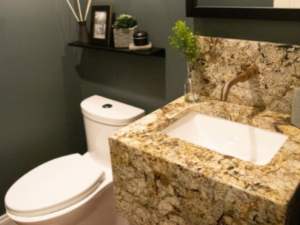
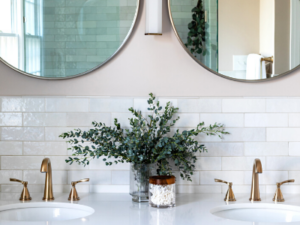
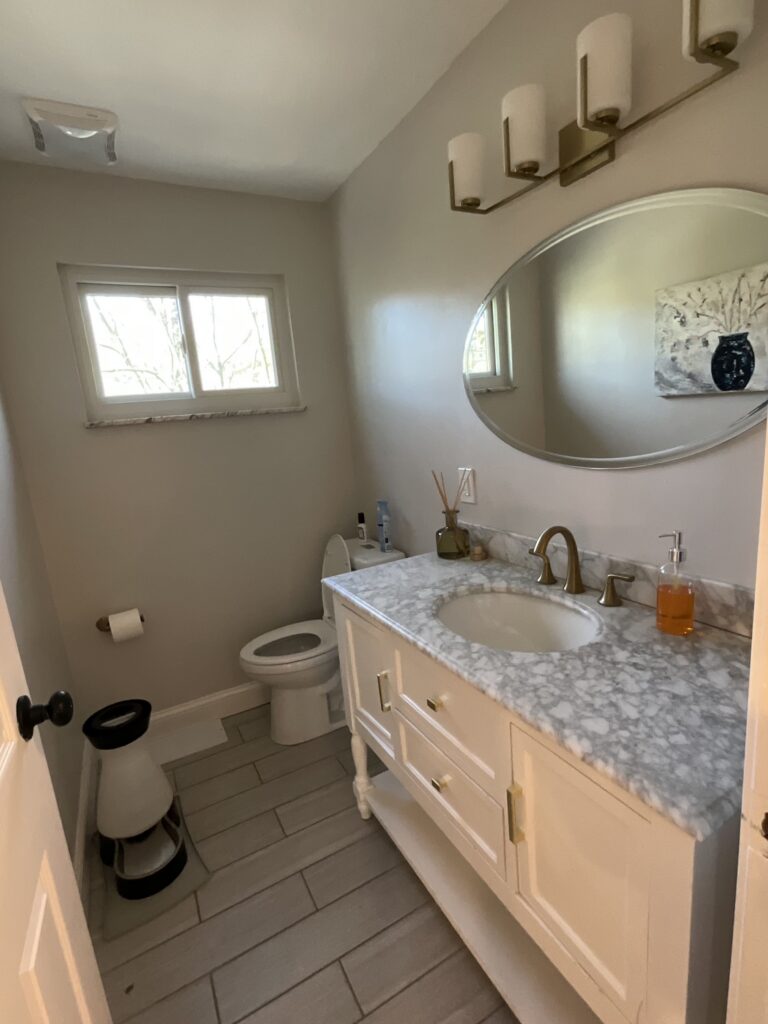
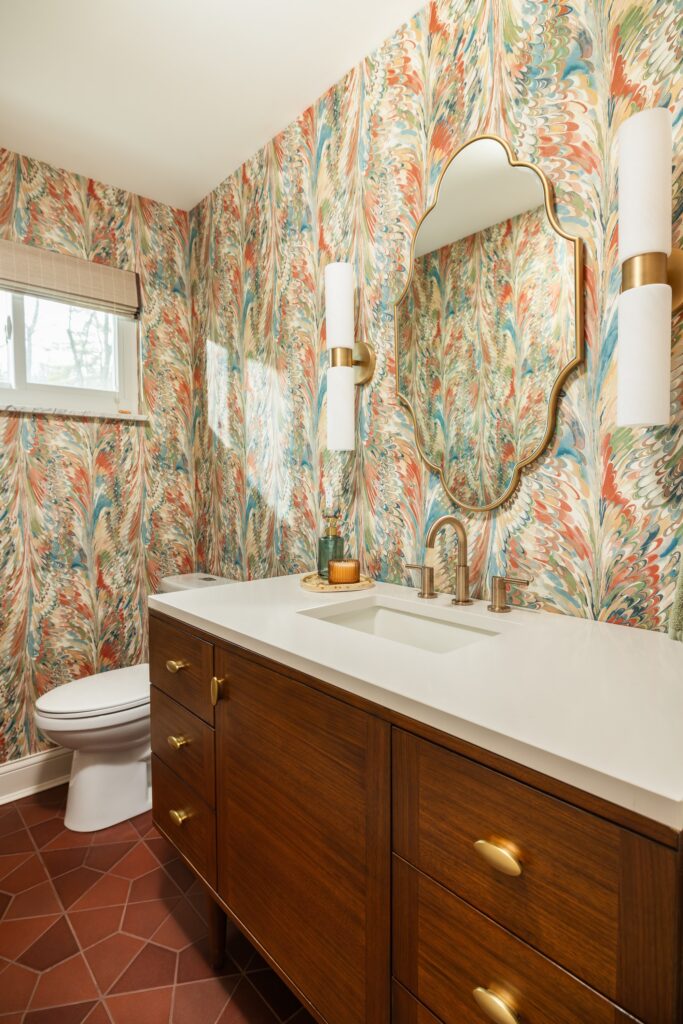
Because powder rooms are often small spaces with big impact, we viewed this room as an opportunity to introduce more personality into the home.
Every finish was replaced, including the flooring, vanity, wallcovering, mirrors, and lighting. The result is a space that feels thoughtful, elevated, and memorable while complementing the overall design direction of the home.
The Result
Today, the home feels dramatically different.
The dining room is warmer and more connected. The laundry room better supports the family’s lifestyle. The powder room provides a moment of surprise and beauty for both the homeowners and their guests.
Most importantly, the home now feels personal.
A flipped home doesn’t always need a complete overhaul to feel special. Often, the difference lies in thoughtful layering, strategic updates, and a design approach that prioritizes how a family actually lives. When those elements come together, a house can move beyond being simply updated and become a home that truly reflects the people who live there.