Interior Design Trends to Expect in 2026 And How to Use Them Well
As soon as the ball drops, and even a bit before, experts are telling us “what’s next” for interior design. New trends, new colors, new rules… it can start to feel like you’re already behind before you’ve even begun. Here’s my honest take: you don’t need to adopt every trend to have a beautiful, current home. Some ideas are worth leaning into, some are better left alone, and others need to be interpreted in a way that actually works for your life.
As we look ahead to 2026, I’m seeing a shift toward design that feels calmer, more intentional, and far less performative. These trends aren’t about impressing guests or chasing what’s hot on Instagram; they’re about creating homes that feel good to live in every single day.
I’m sharing what I’m seeing, what I personally like (and don’t), and how I recommend incorporating these ideas thoughtfully, so your home feels elevated, not trendy, and still very much you.
1. Personalized Minimalism: Curated, Not Spare
Last year ushered in a wave of maximalism, characterized by curated collections, expressive patterns, and tactile textures, all celebrated rather than edited away. Instead, we want purposeful minimalism — I’ve also heard it referred to as MIDimalism — rooms where every piece feels considered, beloved, and intentional.
This isn’t about removing personality; it’s about removing clutter. Your home should feel collected, not chaotic. Think of it as editing, not eliminating.

How to do midimalism smartly:
- Start with what you love and ask why you love it. If the answer isn’t clear, it probably doesn’t stay.
- Invest in a few standout pieces that matter to you — a sculptural chair, a beautiful rug, a striking light fixture — and let the rest support those moments.
- Keep surfaces clear and allow negative space to act as a design element itself.
This trend works because it honors both beauty and calm, two things I believe every home should deliver.
2. Organic Modern: Natural Materiality Meets Sophistication
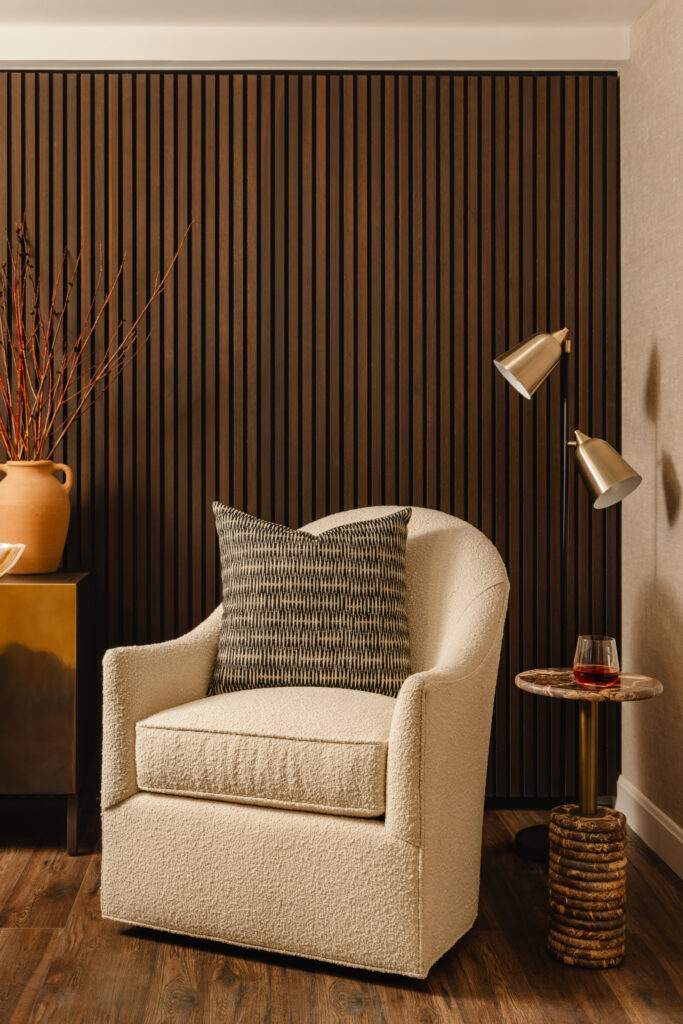
In 2026, materials are getting honest — and elevated. We’re seeing more wood, stone, hand-crafted elements, and natural textiles paired with refined silhouettes and modern lines.
Not rustic. Not farmhouse. But warm modernity, where materials feel grounding, and spaces feel alive.
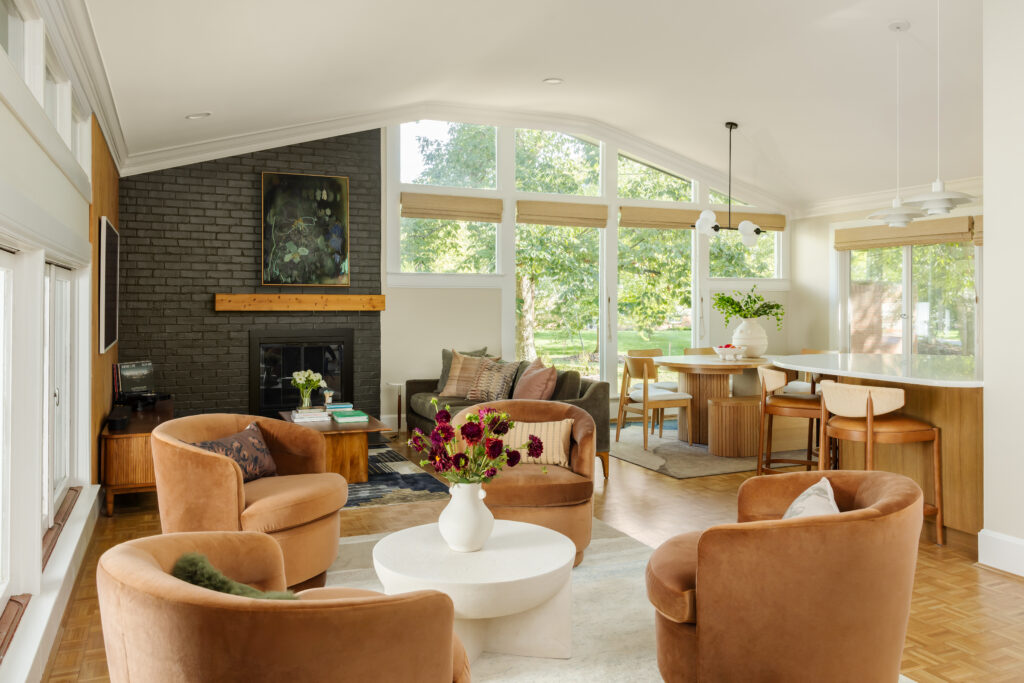
Smart ways to use natural materials:
- Replace large expanses of engineered materials with warm, natural stone or textured plaster.
- Introduce handmade tile or artisan ceramics in kitchens and baths for character without chaos.
- Choose woven textiles in neutral palettes but rich textures — think bouclé, linen, or hand-loomed wool.
This trend reinforces something fundamental: your home should feel like it belongs to its environment, and to you.
3. Biophilic Intentionality (Without the Gimmicks)
“Biophilic design” once sounded trendy; now it’s practical. We want connections to nature, fresh air, daylight, and plants, but we don’t need a jungle in every room. The key is intention.
It’s not just about adding plants. It’s about designing spaces that feel alive and support human rhythms.

Meaningful ways to insert biophilia:
- Maximize daylight with thoughtfully placed windows, mirror placement, or reflective surfaces.
- Select materials with inherent natural variation: stone, wood, and textural wallcoverings.
- Add greenery where it naturally belongs, near windows, as punctuation in a seating vignette, or flowing at thresholds between indoor and outdoor spaces.
The most elegant homes in 2026 will be the ones that blur the edges between outside and inside, not through gimmicks, but through thoughtful, intentional design.
4. Tone-On-Tone Harmony: Quiet, Elegant Color
Though color trends ebb and flow, 2026 isn’t a year for shock. The palette is muted, considered, and tonal. Think soft shadows, warm neutrals, and colors that feel good on the body and mind, not just pretty.
This isn’t “safe” in a boring way; it’s harmonious.
How to incorporate tone-on-tone:
- Use a single hue in varying textures (matte paint, a soft wool rug, linen drapery).
- Balance warm and cool tones to avoid flat-feeling spaces.
- Introduce accent colors through curated art or soft goods rather than wall-to-wall color.
This approach supports calm, cohesion, and longevity, which is why I love it. It feels sophisticated without trying too hard.
5. Functional Luxuries: Design That Earns Its Spot
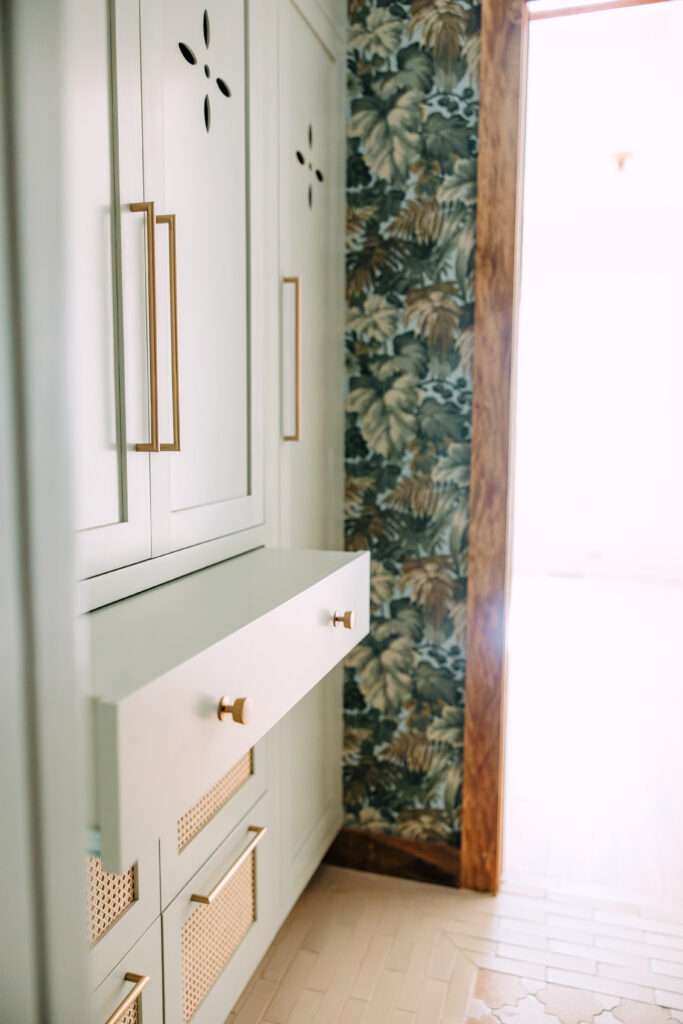
Finally, 2026 is a year for smart luxury. We’re moving past purely decorative trends and toward things that matter: better lighting, seating that’s actually comfortable, kitchens and baths that perform beautifully, and spaces that support how we actually live.
Think of it as “luxury with purpose.”
Examples of smart luxury:
- Layered lighting (ambient + task + accent) in every primary space
- Appliances that perform without shouting
- Storage thoughtfully planned to reduce everyday friction
- Upholstery that feels as good as it looks
Decor can sparkle — but it should function first.
What All of This Means For Your Home
2026’s design direction is less about proving you’re “on trend” and more about proving you’ve given thought to how your home makes you feel and function. That’s what distinguishes a space that is beautiful from one that is beloved.
If you’re thinking about updating your home in the coming year, lean into trends that bring calm, joy, and thoughtful rhythm to your days, not trends that demand attention or constant redesign.
After all, great design isn’t about following what’s new; it’s about selecting what matters.